
Pipeline™ Embolization Device Family
Most studied flow diverter worldwide¹
The Pipeline™ portfolio provides a unique dual product offering that benefits physicians and patients.
The Pipeline™ portfolio provides a unique dual product offering that benefits physicians and patients.
Medtronic have been the pioneers for over 15 years & more than 100K Shield™ devices have been implanted.2 We are setting the benchmark for flow diversion excellence worldwide with high rates of complete occlusion, optimal wall apposition, backed by our legacy of innovation as the pioneer of the world’s first surface modified flow diverter with 10 year follow up data4. See how Pipeline™ and Shield™ devices have evolved over the years from the perspective of a healthcare professional and an engineer:

Watch Prof. Hal Rice talk through his journey of Pipeline™ through the generations.
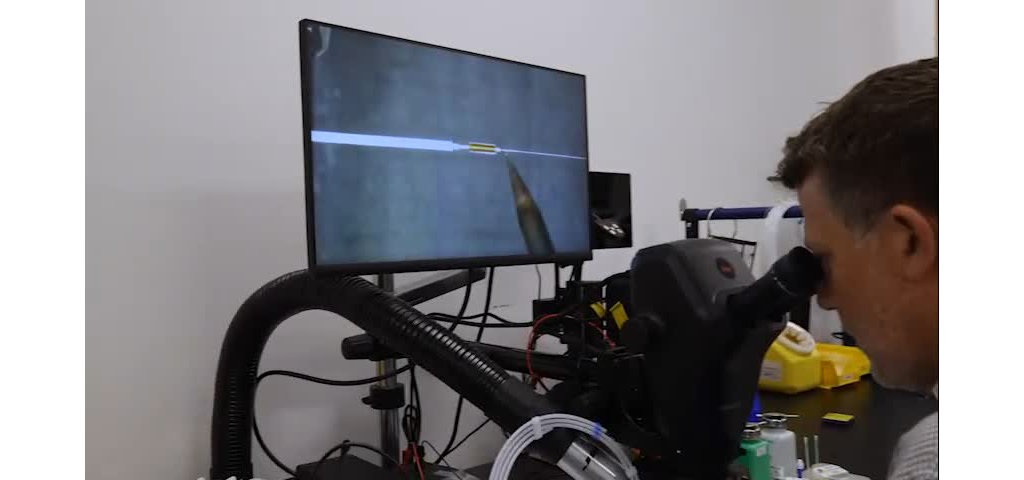
Watch Medtronic Engineering Director Evan Epstein walk through the evolution of the Pipeline™ and Shield™ devices from an engineer's lens.


Worlds first post market surveillance registry for new technology

Long term efficacy & safety 95.2% occlusion, no major strokes1
Ensuring robust & independent assessent

First society endorsed post market registry INSPIRE A
INSPIRE A, Ensuring robust & independent assessment

100% Complete occlusion rate6
Drove the first society endorsed standardised methodology7

Vantage™ 027 recall & commitment to investigate & resolve Braid deformation
With more than 900 studies worldwide3, the Pipeline™ Embolization family is driving the forefront of clinical evidence. We have a wide range of quality clinical studies demonstrating consistently high complete occlusion & good safety profile featuring the Medtronic Pipeline™ and Shield™ products. Explore the data below:

Publication
Date
Location
SCOPE-AUS Study | Real world performance8
Setting:
Multi-center, single-arm, retrospective study
Aneurysms treated
278
Patients
238
Aneurysms
Unruptured Intracranial Aneurysms

Overall Occlusion
At 18 months

Morbidity
Combined

Mortality
Combined
SHIELD Study | Real world performance9
Setting:
Prospective, post market, multi-centre study
Hospitals
21
Patients
205
Aneurysms
Intracranial Aneurysms

Complete Occlusion
At 18 months

Morbidity
Combined

Mortality
Combined
PREMIER Study | Real world performance10
Setting:
Prospective, single-arm trial
Patients
141
Aneurysms
Unruptured wide-necked intracranial aneurysms

Complete Occlusion
At 3 years

Combined safety endpoint
At 3 years

Primary effectiveness endpoint
At 3 years
INSPIRE A Study | Real world performance11
Setting:
Real-world, observational, prospective, multi-center registry
Hospitals
40
Patients
700
Aneurysms
Intracranial aneurysms

Overall Occlusion
(315/417)
Last follow-up, DSA only

Major Stroke
(13/530)

Mortality
(11/530)
Monteiro et al | Real world performance6
Setting:
Retrospective review
Aneurysms treated
92
Patients
83
Aneurysms
Intracranial Aneurysms

Complete Occlusion
At 10 years
(15/15)

Retreatment
At 10 years
(1/15)

Treatment related complications
Nonfatal
References:
This website should not be considered the exclusive source of information, it does not replace or supersede information contained in the device manual(s). Please note that the intended use of a product may vary depending on geographical approvals. See the device manual(s) for detailed information regarding the intended use, the (implant) procedure, indications, contraindications, warnings, precautions, and potential adverse events. For a MRI compatible device(s), consult the MRI information in the device manual(s) before performing a MRI. If a device is eligible for eIFU usage, instructions for use can be found at Medtronic’s website manuals.medtronic.com. Manuals can be viewed using a current version of any major internet browser. For best results, use Adobe Acrobat® Reader with the browser. Medtronic products placed on European markets comply with EU and UK legislation (if applicable) on medical devices. For any further information, contact your local Medtronic representative.
We do not review or control the content of external sites and are not responsible for any interactions or transactions that may occur there. Any product availability and regulatory requirements on the destination site may differ depending on your location. When you continue, the terms of use and privacy statement of the external site will apply.
Product availability and regulatory requirements may differ depending on your location. The destination website is governed by the laws and regulations of the country in which it operates, which may be different from those in your country. When you continue, the terms of use and privacy statement of the destination Medtronic site will apply.


