Surgery is changing quickly, but not in the way people might think. What happens in the operating room is not just a test of steady hands — it is a highly cognitive discipline built on planning, anticipation, and real-time decision-making. And while technology is expanding what surgeons can see, know, and do, surgery is more complex than any one instrument. For patients, the questions are changing too: not just whether surgery will be successful, but what recovery will look like and how technology may improve the experience.

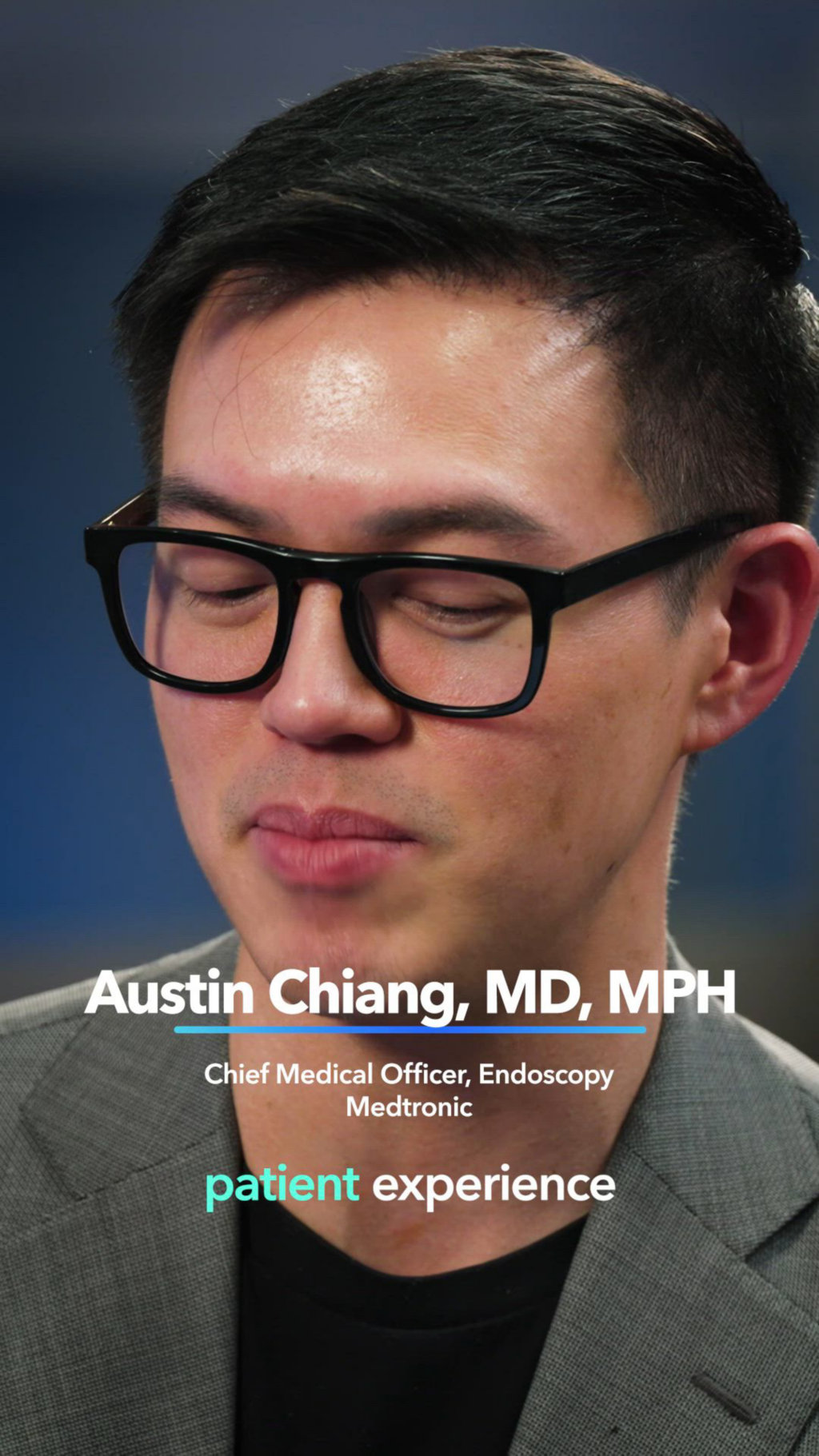
As part of our Health Tech Untapped series, host Dr. Austin Chiang joins two other Medtronic leaders in surgical innovation to unpack the questions patients are asking before surgery, challenge myths about robotic-assisted surgery, and explore how digital tools, advanced imaging, and minimally invasive techniques are reshaping care. Dr. Chiang is Chief Medical Officer for Endoscopy and a practicing gastroenterologist. He is joined by Dr. James Porter, a urologic surgeon and Chief Medical Officer for Robotics and Digital Surgical Technologies, and Dr. Matthew Kroh, Chief Medical Officer for Core Surgical Technologies and a practicing general surgeon.

They also take on a bigger question: In a future shaped by technology, what remains uniquely human in surgery, and what new possibilities open up when surgeons are better equipped than ever? 
 
This interview has been edited for length and clarity.

Q: What is the most common question patients ask before surgery?

Dr. Porter: The one I hear most is, “How long will I be away from work or my normal activities?” Patients are thinking beyond the operation itself — they want to know when they can get back to their lives, their families, and the things they enjoy doing. 

Dr. Kroh: I hear a similar question, but it often starts with, “What should I expect?” That covers everything from the success of the procedure to pain management, recovery, how long they'll be in the hospital, when they can eat normally again, and when they can return to work. As surgeons, we naturally focus on the procedure, but patients are thinking about how surgery will affect every aspect of their daily lives. 

Dr. Chiang: That's an important perspective. Patients aren’t just preparing for surgery — they're preparing for what life looks like afterward. 

Q: How has surgery changed over the past 20 years?

Dr. Porter: Matt and I have witnessed one of the biggest transformations in surgery over the last decades. The shift from traditional open surgery to minimally invasive and robotic-assisted procedures has completely changed how we approach patient care. 

Dr. Kroh: And that's changed patient expectations, too. Many procedures now involve less pain, shorter hospital stays, and faster recoveries. Every innovation has helped move us toward better outcomes and getting patients back to their normal lives sooner.

Q: What's something people are surprised to learn about surgeons?

Dr. Porter: One of my mentors used to say, “Your brain is your most important tool. Your eyes are second. Your hands are third.” That has always stayed with me. 

Dr. Kroh: I couldn't agree more. Surgery is incredibly cognitive. You're constantly thinking through each step, adapting your plan, anticipating what comes next, and considering the consequences of every decision. 

Dr. Chiang: I love that because it reminds people that surgery isn't simply about hand-eye coordination — it's about planning, strategy, and decision-making in real time. 

Q: What are the biggest myths about surgery and robotic surgery?

Dr. Kroh: A common misconception is that every patient's surgery is the same. People often assume they'll have the exact same experience as someone else who had the same procedure. In reality, every patient is different. The right approach depends on the individual's condition, anatomy, and overall health. 

Dr. Chiang: Jim, robotic surgery is another area that generates a lot of questions. 

Dr. Porter: Absolutely. The biggest myth is that the robot performs the surgery on its own. The surgeon is always in control. The robotic system translates and refines the surgeon's movements. It can reduce natural hand tremor and improve precision, but every movement and every decision comes directly from the surgeon. 

Dr. Kroh: That's an important distinction. Technology enhances what surgeons can do — it doesn't replace their expertise or judgment.

Q: What role does technology play throughout the patient journey?

Dr. Kroh: Patients often feel anxious after receiving a diagnosis. Technology can help guide them to the right specialist, provide educational information earlier, and make navigating the healthcare system a little less overwhelming before surgery even begins. 

Dr. Porter: During the procedure, technology gives us access to advanced imaging in real time. That allows us to see more than we could with traditional imaging alone and helps guide our decisions throughout the operation. 

Dr. Kroh: When you combine those technologies with better planning and communication, you're creating a more connected experience for patients from diagnosis through recovery. 

Q: If technology keeps advancing, why is traditional surgical training still important?

Dr. Kroh: Not every patient is a candidate for minimally invasive or robotic surgery. Surgeons need to understand the full spectrum of approaches — from open surgery to robotics — so they can choose the safest option for each patient. 

Dr. Porter: Technology is an incredible tool, but patient safety always comes first. That's why foundational surgical skills remain essential. 

Q: What does the future of surgery look like?

Dr. Porter: Digital. Digital technologies allow us to capture procedures, review them almost immediately, and use those insights to improve education, collaboration, and surgical performance. 

Dr. Kroh: I'd say interconnected. As we connect imaging, surgical data, device performance, and patient outcomes, we'll gain a deeper understanding of how to improve care and personalize treatment for every patient. 

Dr. Porter: I think those ideas really go hand in hand. Digital technologies create the data, and interconnected systems help us learn from it. 

Dr. Kroh: Exactly. The future isn't about one breakthrough — it's about bringing technologies together in ways that help surgeons make better decisions and ultimately improve patient outcomes. 

Dr. Chiang: It's exciting to think about where surgery is headed. As these innovations continue to evolve, the goal remains the same: helping patients receive safer, more personalized care and better outcomes.


Technology is transforming the patient experience — from diagnosis to recovery


About the experts

Dr. Austin Chiang is Chief Medical Officer for Endoscopy at Medtronic and a practicing gastroenterologist. Passionate about innovation and patient education, he helps bridge the gap between healthcare technology and clinical practice. 
 
Dr. James Porter is a urologic surgeon and Chief Medical Officer for Robotics and Digital Surgical Technologies at Medtronic. He specializes in robotic-assisted surgery and advancing technologies that improve surgical precision, training, and patient outcomes.

Dr. Matthew Kroh is Chief Medical Officer for Core Surgical Technologies at Medtronic and a practicing general surgeon. He focuses on minimally invasive surgery and developing technologies that personalize care, improve recovery, and enhance the surgical experience.

Read more

What if surgeons used game film like pro athletes?

Published on Aug. 25, 2026