Forget what you think you know about obesity
There are many preconceptions and myths surrounding obesity. It is estimated that more than 1 billion people around the world will be living with obesity by 2030.1 The solution to this global healthcare crisis lies within the science; but how do we uncover it?
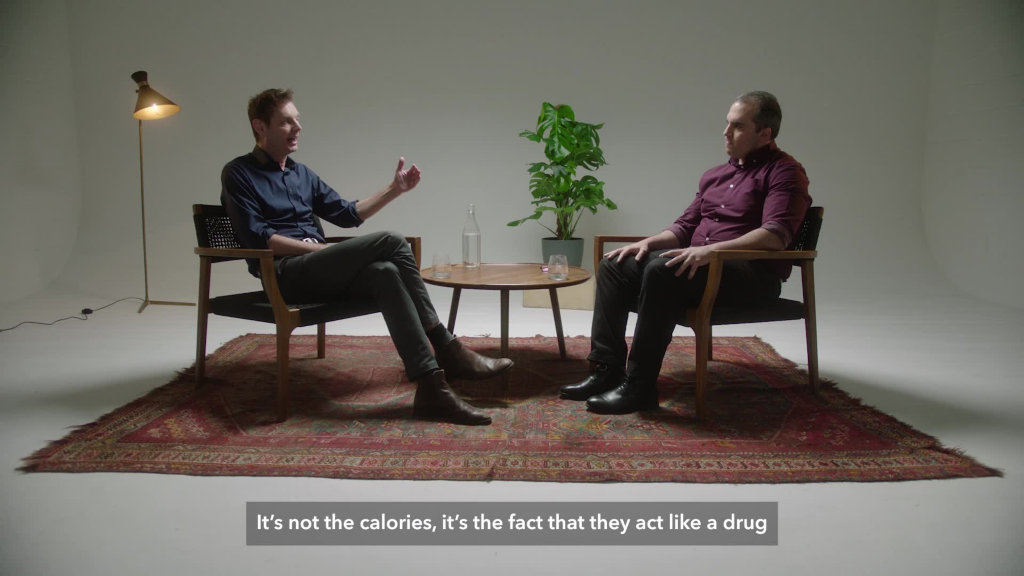
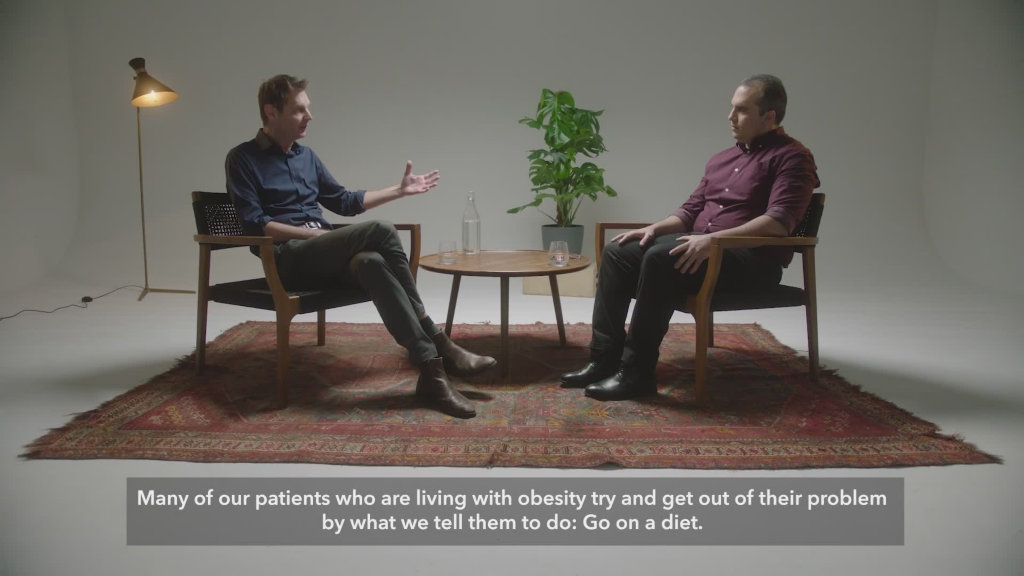
In this educational series, Dr. Andrew Jenkinson and Dr. Georgios Dimitriadis explore the new and emerging science of obesity, disassemble the set beliefs and stigma surrounding it, and pose the question: has medicine and society been looking for the causes of obesity in the wrong places?
Would you like to add to the conversation on Obesity: The Big Truth?
Tweet us your comments @MedtronicEU with #ObesityBigTruth
"It’s not the calories in the food. It’s what the food does to the body.”
Dr. Andrew Jenkinson
Meet our experts

Dr. Andrew Jenkinson
Consultant in Bariatric & General Surgery
University College London Hospital

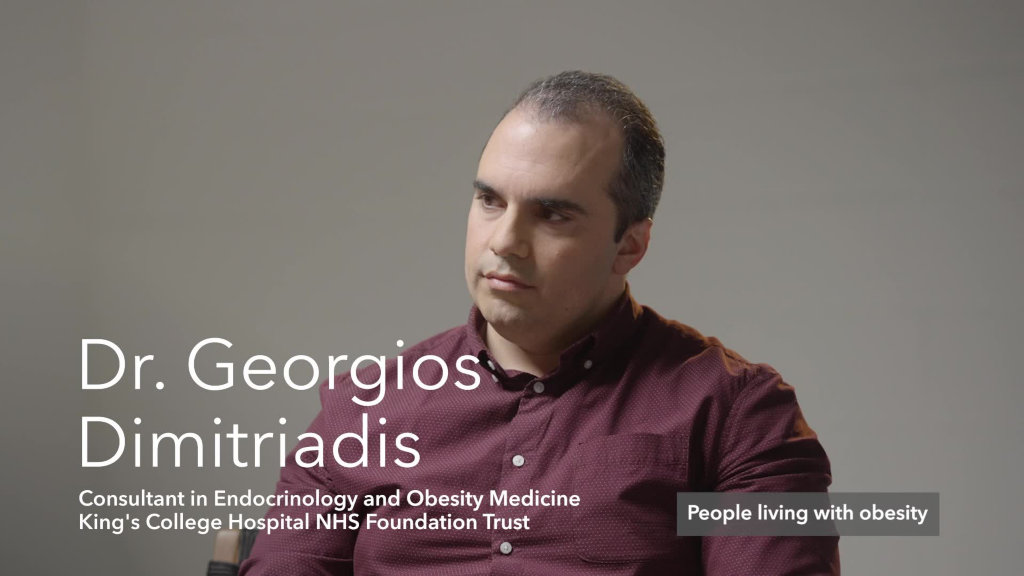
Dr. Georgios Dimitriadis
Consultant in Endocrinology and Obesity Medicine
King's College Hospital NHS Foundation Trust
Episodes
Episode 1
Metabology and Myth Busting
This episode looks in detail at the mechanisms and causes of obesity. Andrew and George discuss the role of basal metabolism in weight regulation, the Weight-Set Point Theory and the impact that the Western diet and ultra-processed foods (UPF) have on satiety regulation through leptin and insulin resistance.

Episode 2
The Perfect Storm
Andrew and George delve into more detail on the Weight-Set Point Theory and explore how we’re bound by biology. Our body weight is, in part, determined by our genetics and modified by epigenetics, environmental factors, and food quality. They discuss how the potential detrimental impact of low-calorie dieting, even in healthy individuals, can ultimately lead to health deficit.
Episode 3
The New Science
In the final episode, Andrew and George ask: Is leptin resistance with an omega-3 deficiency caused by Western diet the biggest driver of obesity? What part does inflammation play and why is this important? What can the new science of epigenetics tell us?
Interested in learning more?
Watch the trailers
Obesity: The Big Truth - Trailer 1