
What is bariatric surgery?
What is bariatric surgery and how can it help you lose excess weight?
Download our obesity treatment conversation guides for questions to ask your GP or your weight loss clinic.
Download our obesity treatment conversation guides for questions to ask your GP or your weight loss clinic.
Bariatric surgery is just a fancy name for weight loss surgery. Although there are different types of bariatric surgeries, they all have one thing in common: they help people with a high body mass index (BMI) achieve significant and lasting weight loss.3
Bariatric surgery works by altering the digestive system. Some surgical procedures reduce how much food you are physically capable of eating. Others limit your body’s ability to absorb nutrients effectively. And some procedures do both.4

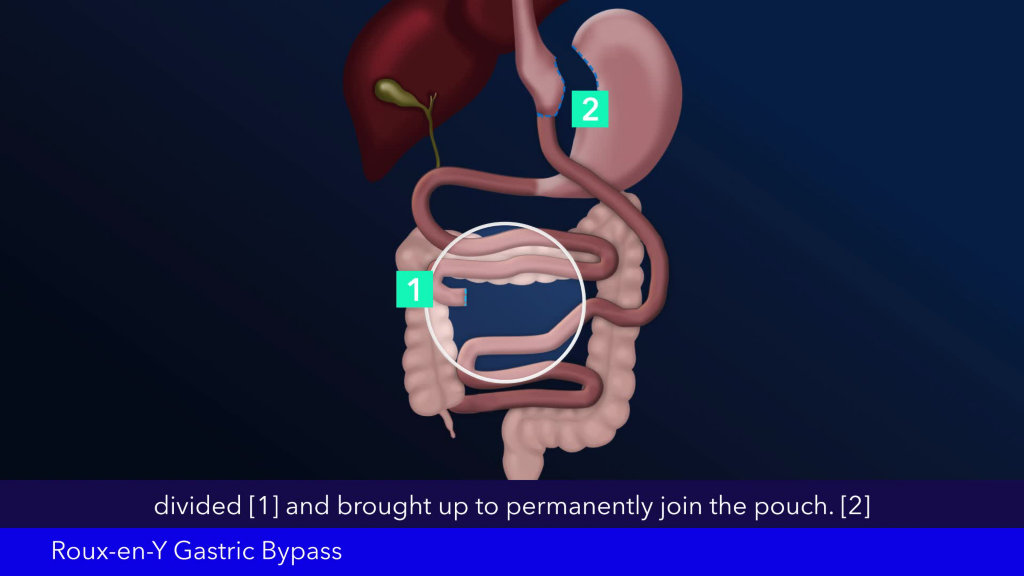
Because food bypasses most of the stomach and part of the small intestine – which means you absorb fewer calories. Most people lose 60-80% of excess weight within the first 12-18 months.5 Surgeons often recommend this procedure for people with type 2 diabetes.6 Usually, gastric bypass surgery cannot be reversed.5

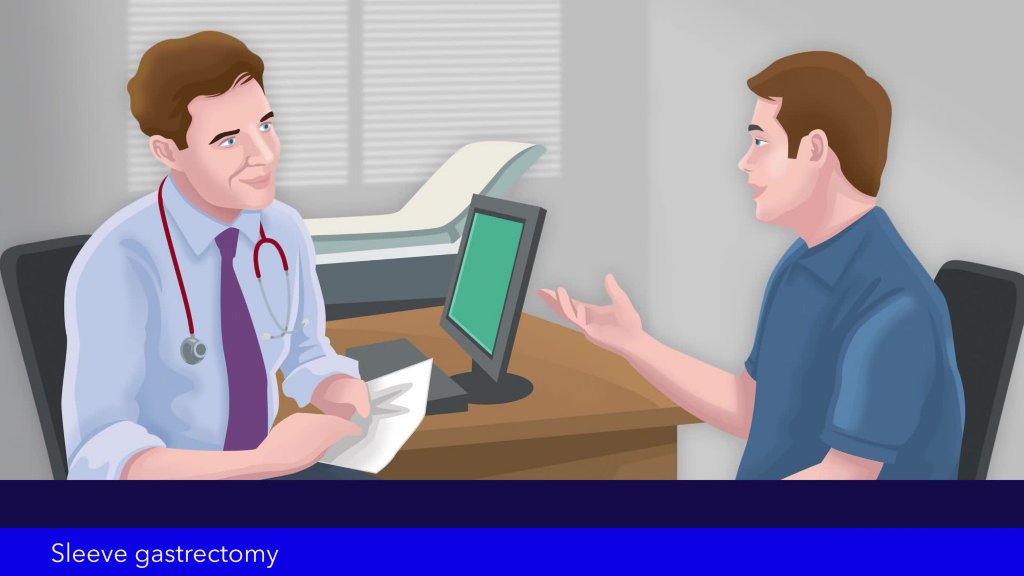
If you don’t follow post-operative guidelines carefully, the ‘sleeve’ can stretch and become larger.7

Food bypasses most of the stomach and part of the small intestine – which means you absorb fewer calories.6


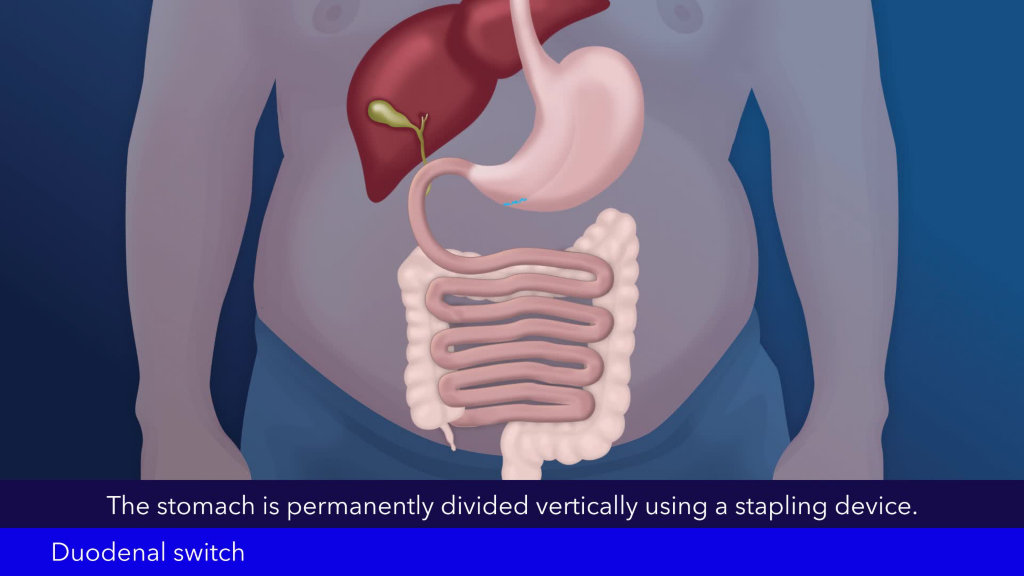
Duodenal switch surgery also dramatically improves metabolic diseases such as type 2 diabetes.9
As always, talk to a bariatric surgery specialist for details about what is best for you and what results you can expect.

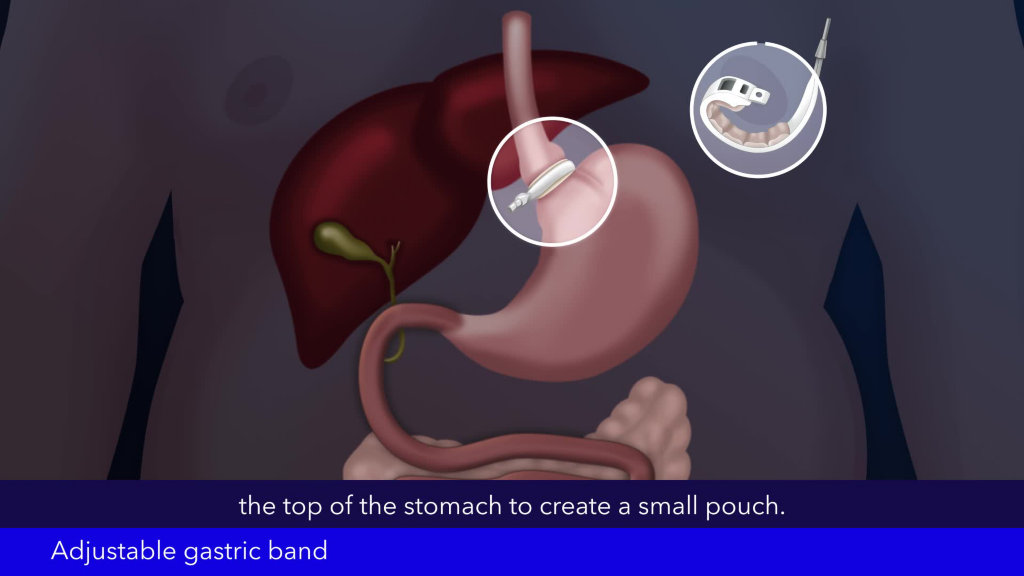
Unlike most other procedures, gastric band surgery is reversible. It is the least invasive weight loss surgery.8
As you lose weight, the band needs to be adjusted to keep working. This is done by adding a saline solution through a small access port. The surgeon places the port just under the skin during the initial surgical procedure.9
First, of course, you need to think it over yourself. And if you’re potentially interested, you'll need careful evaluation by healthcare professionals to determine whether surgery is right for you.
In the meantime, you might want to read this article:
Curious about whether you might qualify for bariatric surgery?
Information contained herein is not medical advice and should not be used as an alternative to speaking with your doctor. Discuss indications, contraindications, warnings, precautions, adverse events and any further information with your health care professional. Please note that the intended use of a product may vary depending on geographical approvals. Medtronic products placed on markets comply with legislation (if applicable) on medical devices.
We do not review or control the content of external sites and are not responsible for any interactions or transactions that may occur there. Any product availability and regulatory requirements on the destination site may differ depending on your location. When you continue, the terms of use and privacy statement of the external site will apply.
Product availability and regulatory requirements may differ depending on your location. The destination website is governed by the laws and regulations of the country in which it operates, which may be different from those in your country. When you continue, the terms of use and privacy statement of the destination Medtronic site will apply.
