

A practical guide to warning signs, emergency action, hospital care, treatment options and recovery.

The symptoms can look similar, so urgent clinical assessment and brain imaging are needed to identify the type and guide care.
A transient ischemic attack can also produce stroke-like symptoms and requires emergency attention.
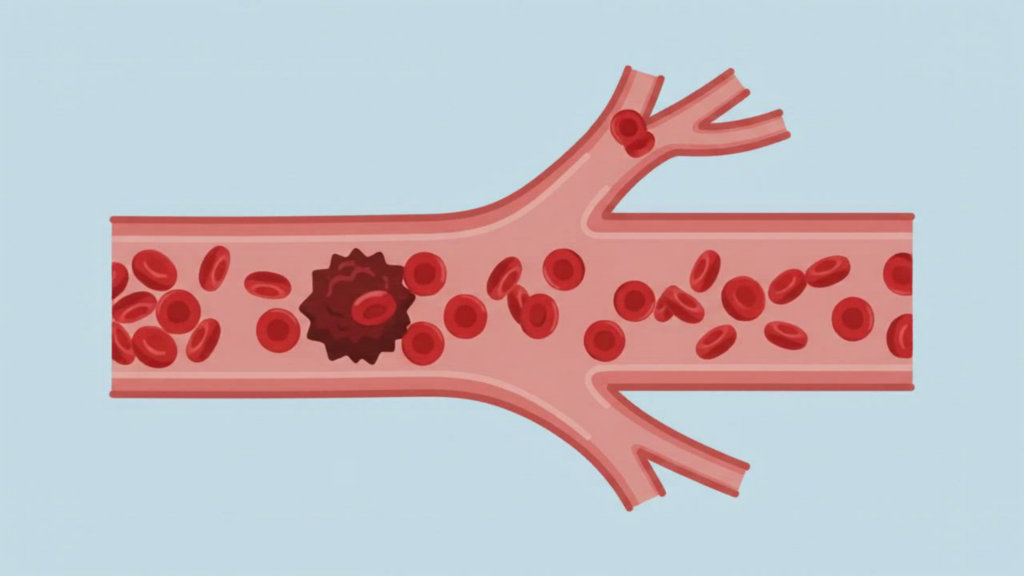
Ischemic strokes occur because of an obstruction in a blood vessel supplying blood to the brain. An obstruction of blood flow in the blood vessel can cause a blood clot to form, this is called cerebral thrombosis. The main cause of cerebral thromboses are fatty deposits in blood vessels and arteries (atherosclerosis)4.
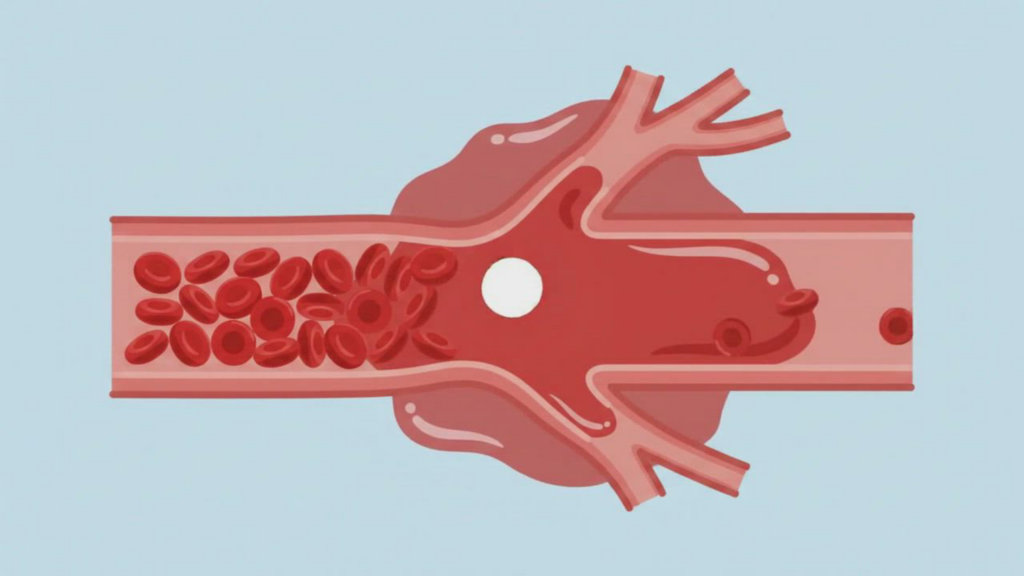
Haemorrhagic strokes happen when a weakened blood vessel ruptures and bleeds into the brain. Bleeding and pressure can damage surrounding brain tissue4.
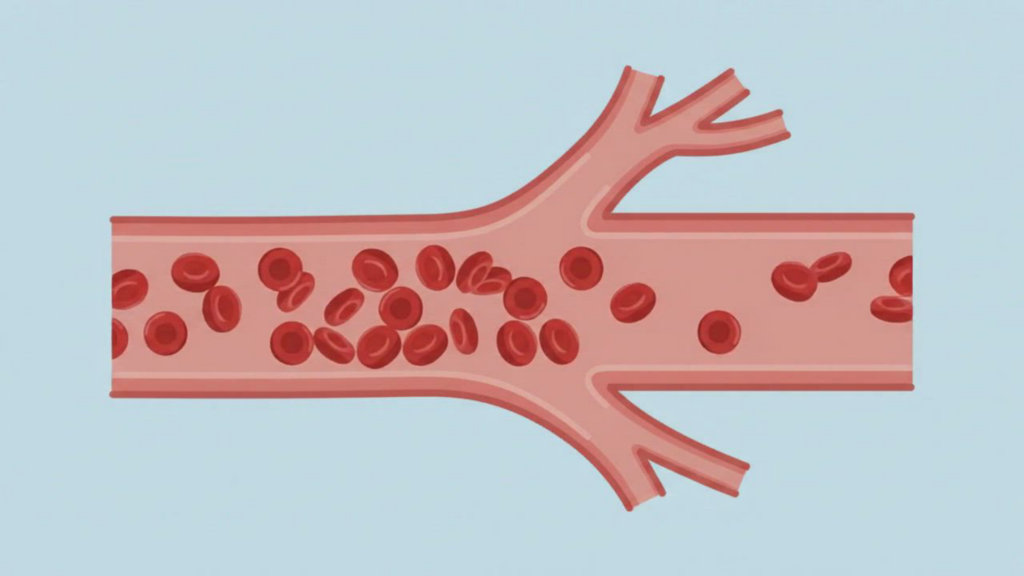
A TIA is caused by a temporary disruption in the blood supply to an area of the brain. It can cause symptoms similar to a stroke, but unlike a stroke these symptoms pass or resolve quickly. In the early stages of a TIA it is impossible to tell whether it is a stroke, so it is important to call emergency services4.

Focus on a diet that is mostly plant-based with small amounts of meat, fish. There is a large body of evidence to support its benefits for cardiovascular health and stroke prevention.5

Just 30 minutes of exercise five times a week can reduce your risk of stroke by 25%.6

Drinking too much alcohol either regularly, or ‘one-of’ over consumption can increase your risk of stroke.8

Smoking tobacco increases your risk of having a stroke. Someone who smokes 20 cigarettes a day is six times more likely to have a stroke compared to a non-smoker.7

If there is too much buildup of LDL cholesterol (often called ‘bad cholesterol’) on artery walls, it can cause problems with your circulatory system – which increases your risk of stroke.9
You can reduce the risk of increased LDLs by:
1. About Stroke. (n.d.). Retrieved from https://www.stroke.org/en/about-stroke
2. Impact of Stroke. (n.d.) Retrieved from https://www.world-stroke.org/world-stroke-day-campaign/about-stroke/impact-of-stroke/
3. Prevent Stroke, Stroke & Hypertension. (n.d.) Retrieved from https://www.world-stroke.org/world-stroke-day-campaign/prevent-stroke/stroke-and-hypertension/
4. Types of Stroke. (n.d.) Retrieved from https://www.world-stroke.org/world-stroke-day-campaign/about-stroke/types-of-stroke/
5. Stroke and Diet (n.d.) Retrieved from https://www.world-stroke.org/world-stroke-day-campaign/prevent-stroke/stroke-and-diet/
6. Stroke and Exercise (n.d.) Retrieved from https://www.world-stroke.org/world-stroke-day-campaign/prevent-stroke/stroke-and-exercise/
7. Stroke and Smoking (n.d.) Retrieved from https://www.world-stroke.org/world-stroke-day-campaign/prevent-stroke/stroke-and-alcohol/
8. Stroke and Alcohol (n.d.) Retrieved from https://www.world-stroke.org/world-stroke-day-campaign/prevent-stroke/stroke-and-alcohol/
9. Stroke and High Cholesterol (n.d.) Retrieved from https://www.world-stroke.org/world-stroke-day-campaign/prevent-stroke/stroke-and-high-cholesterol/
10. Rehani B, Ammanuel SG, Zhang Y, et al. A new era of extended time window acute stroke interventions guided by imaging. Neurohospitalist. 2020;10(1):29-37. doi:10.1177/1941874419870701. PMID: 31839862. Available at: https://pmc.ncbi.nlm.nih.gov/articles/PMC6900647/
We do not review or control the content of external sites and are not responsible for any interactions or transactions that may occur there. Any product availability and regulatory requirements on the destination site may differ depending on your location. When you continue, the terms of use and privacy statement of the external site will apply.
Product availability and regulatory requirements may differ depending on your location. The destination website is governed by the laws and regulations of the country in which it operates, which may be different from those in your country. When you continue, the terms of use and privacy statement of the destination Medtronic site will apply.
