
An overview of the INVOS™ technology
MedEd Learning Experience podcast*
MedEd Learning Experience podcast*
Our new MedEd Learning Experience podcast series provides brief, interview-style discussions with clinical experts. Our overview of the INVOS™ regional oximetry technology includes presentations from Dr. Ronald Bronicki, professor of pediatrics at Baylor College of Medicine, and critical care medicine and cardiology at Texas Children’s Hospital; and Eli Kuhlmann, senior research manager at Medtronic. The presentations includes topic such as the principles of near infrared spectroscopy (NIRS) monitoring, the development and validation of the INVOS™ technology, the influence of skin pigmentation on NIRS, and the interpretation and utility of cerebral or somatic oximetry in the clinical setting. The goal of this program is to get closer to the patient and delve into the challenges and impact of each technology in practice
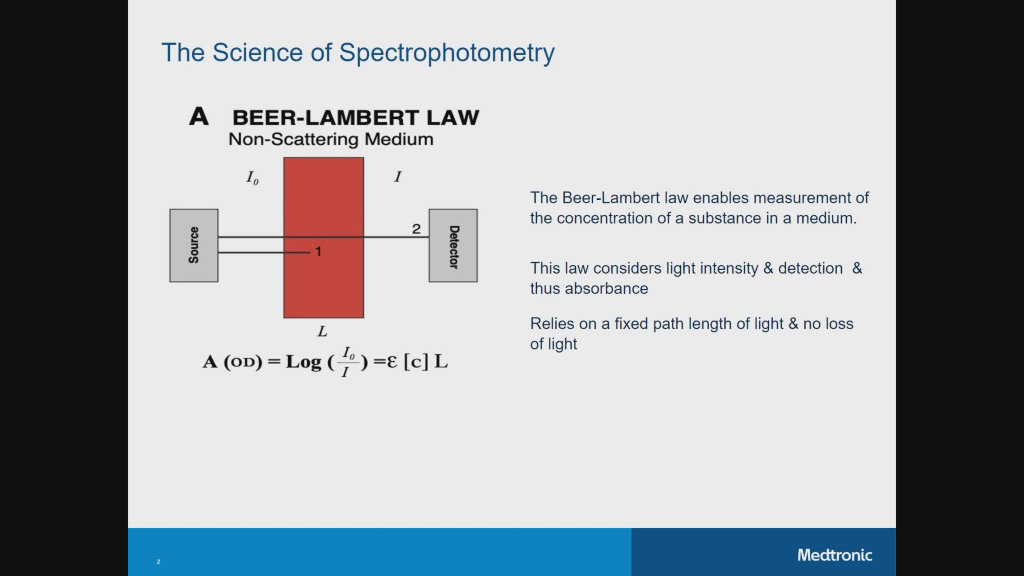
Eli Kuhlmann, senior research manager at Medtronic, teaches us how near infrared spectroscopy (NIRS) measures the concentration of hemoglobin in blood.
09:09
YouTube
Eli Kuhlmann, senior research manager at Medtronic, reviews how the INVOS™ monitor isolates the near infrared signal from the tissue of interest and prevents contamination from superficial tissue.

05:17
YouTube
Dr. Ronald Bronicki, professor of pediatrics at Baylor College of Medicine, and critical care medicine and cardiology at Texas Children’s Hospital, discusses the advantages of NIRS oximetry compared to traditional approaches of monitoring cardiovascular function and tissue oxygenation.

05:45
YouTube
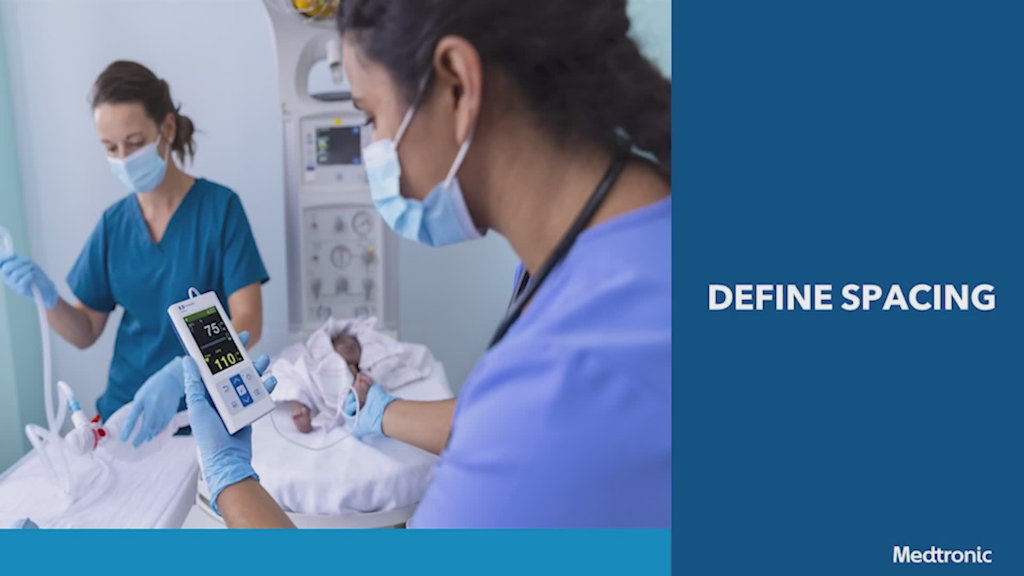
Eli Kuhlmann, senior research manager at Medtronic, demonstrates how the sensor spacing on the INVOS™ sensor maximizes the detection of the tissue of interest while suppressing the superficial tissue signal.
04:35
YouTube
Eli Kuhlmann, senior research manager at Medtronic , reviews the design elements in the INVOS™ system that enhance its regional oximetry monitoring performance.

04:34
YouTube
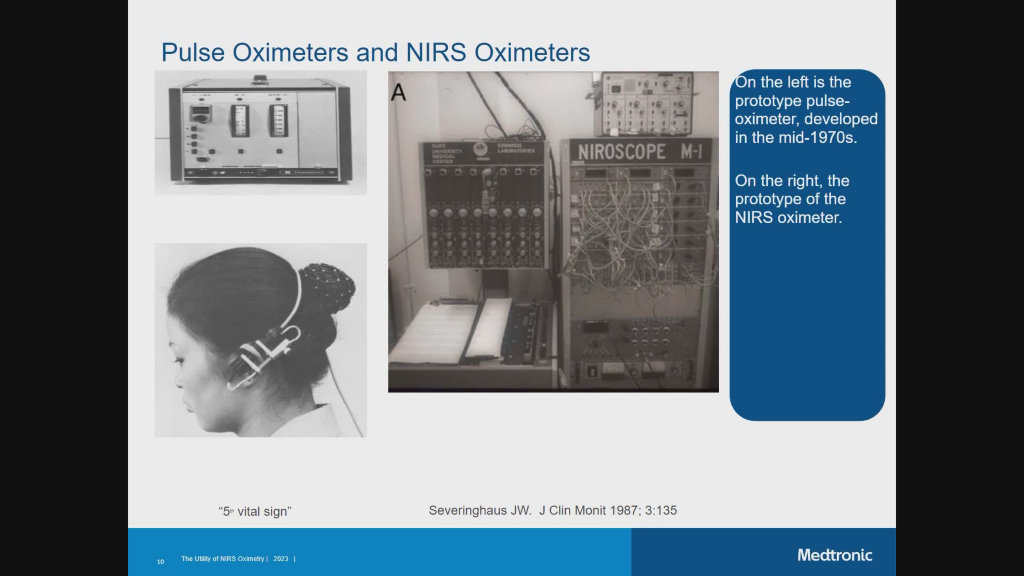
Ronald Bronicki, professor of pediatrics at Baylor College of Medicine, and critical care medicine and cardiology at Texas Children’s Hospital, teaches us how NIRS uses near infrared light to monitor the percentage of oxygenated hemoglobin in the tissue 2–3 cm beneath the oximeter sensor.
05:38
YouTube
Eli Kuhlmann, senior research manager at Medtronic, describes how the INVOS™ system pediatric algorithm was developed in order to account for factors impacting regional oximetry measurements in pediatric patients.

03:38
YouTube
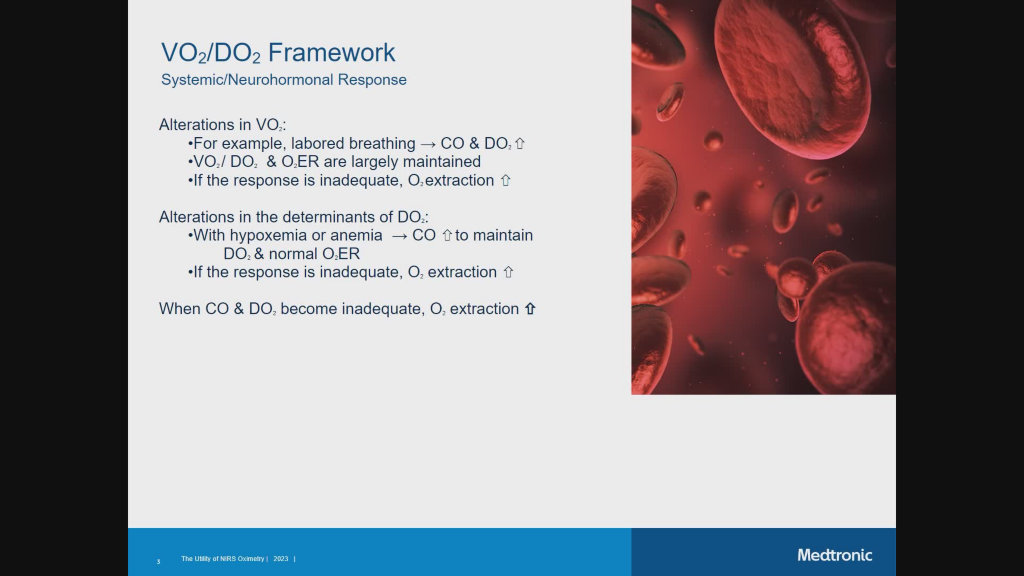
Dr. Ronald Bronicki, professor of pediatrics at Baylor College of Medicine, and critical care medicine and cardiology at Texas Children’s Hospital, presents how regional oximetry represents the balance between oxygen delivery and demand as well as the clinical factors that may influence regional tissue oxygenation.
11:11
YouTube
Dr. Ronald Bronicki, professor of pediatrics at Baylor College of Medicine, and critical care medicine and cardiology at Texas Children’s Hospital, reviews the body of literature evaluating the value of somatic and cerebral regional oximetry in pediatric patients.

05:15
YouTube
Dr. Ronald Bronicki, professor of pediatrics at Baylor College of Medicine, and critical care medicine and cardiology at Texas Children’s Hospital, discusses the influence skin pigmentation has on the accuracy of NIRS readings and consider the consequences for clinical practice.

06:14
YouTube
Eli Kuhlmann, senior research manager at Medtronic, teaches us how the concentration of melanin influences the measurement regional oxygen saturation via NIRS.
06:45
YouTube
* This material is educational/training only, and products may not be licenced as per Canadian law.
We do not review or control the content of external sites and are not responsible for any interactions or transactions that may occur there. Any product availability and regulatory requirements on the destination site may differ depending on your location. When you continue, the terms of use and privacy statement of the external site will apply.