
CONDITIONS AND TREATMENTS
Treating scoliosis
Explore options for treating curvature of the spine.
Explore options for treating curvature of the spine.
Treatment for scoliosis depends on the severity of the curve, the patient’s age, and whether or not the curve is getting worse. The two primary treatments for scoliosis are bracing and spinal re-alignment surgery with fusion.
While both adults and children need treatment for scoliosis, spinal curvature more frequently affects teens and kids. About 30,000 children and adolescents are fitted with a brace each year and another 38,000 undergo spinal fusion surgery.1

For children and adolescents whose spines are still growing, bracing can help stop a spinal curve from becoming more severe. Braces are custom-fitted and worn under clothing for a set number of hours each day. They can help maintain spinal balance and delay, or sometimes avoid, the need for surgery.
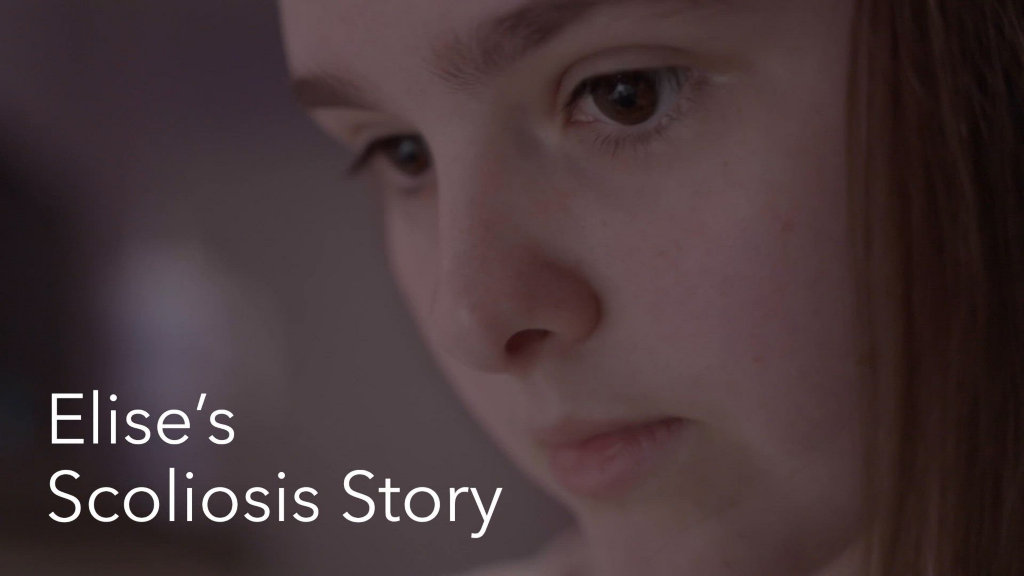
If the curvature is severe or getting worse, your doctor may recommend surgery.
Surgical treatment involves implanting rods, screws, and sometimes hooks along the spine to help realign the curvature. These implants provide the support the spine needs while the bones fuse together over time, helping patients regain balance, posture, and confidence in everyday movement.

The spinal fusion I received changed my life and my family’s life forever. I can now do almost anything I want without pain or discomfort. ”— Emma, scoliosis surgery patient

During spinal fixation surgery, your care team works carefully to realign and stabilize your spine. The procedure involves several key steps:
Recovery is different for everyone and your doctor will communicate timelines based on your recovery progress. People who have had fusion surgery are usually back to school or work within two to four weeks.2 They can often resume the things they love to do within a few months.2

When I had to have surgery for scoliosis, at first I was scared. Would it hurt? Would I still be able to play soccer? But now that I’ve recovered, I help kids and teens with their questions about surgery. I’m even back to playing soccer!
Bracing is typically used in growing children or teens with moderate curves and can help prevent the curve from worsening in many cases.
Surgery is typically recommended when the spinal curve is severe, or continues to worsen despite non-surgical treatments such as bracing. It may also be advised if scoliosis causes significant pain, breathing problems, or limits daily function. The goal is to correct the curve, stabilize the spine, and prevent further progression.3
Most patients experience reduced pain, better posture, and improved function. Success rates are high when performed by experienced spine specialists.4
Information contained herein is not medical advice and should not be used as an alternative to speaking with your doctor.
Discuss indications, contraindications, warnings, precautions, adverse events and any further information with your health care professional.
Please note that the intended use of a product may vary depending on geographical approvals.
Medtronic products placed on European markets comply with EU and UK legislation (if applicable) on medical devices.
We do not review or control the content of external sites and are not responsible for any interactions or transactions that may occur there. Any product availability and regulatory requirements on the destination site may differ depending on your location. When you continue, the terms of use and privacy statement of the external site will apply.
Product availability and regulatory requirements may differ depending on your location. The destination website is governed by the laws and regulations of the country in which it operates, which may be different from those in your country. When you continue, the terms of use and privacy statement of the destination Medtronic site will apply.