| Item number | Description | Compatibility | Units per box |
|---|---|---|---|
| BZ4212 | BiZact™ tonsillectomy device | Valleylab™ FT10 energy platform, Valleylab™ LS10 generator | 6 |


Open tonsillectomy devices
BiZact™ tonsillectomy device
<p>The BiZact™ device is a bipolar tissue sealer and divider that is designed to solve the problems of tonsillectomy.</p>
Features
Outperforms other tonsillectomy technologies
From a fast and easy setup∆,6 to reliable seals that reduce postoperative bleeding,†,‡,§, 1–3 the BiZact™ device improves efficiency throughout procedures.¶,#, 5 With a low energy profile and minimal thermal spread.4–5
Low energy level. High clinical value.
The BiZact™ device is an advanced bipolar tissue sealer and divider. It’s powered by Valleylab™ energy platforms that:
- Measure impedance of clamped tissue
- Adjust energy output to create a permanent seal
- Automatically stop energy delivery when the seal is complete
As a result of this technology, the BiZact™ device:
- Offers fast and easy setup∆,6
- Produces seals that withstand three times normal systolic blood pressure7
- Reduces postoperative bleeding†,‡,§, 1–3
- Improves procedural efficiency¶,#,5
- Minimizes thermal spread◊,4

Clinically proven benefits for your pediatric patients
Reliable
- Produces seals that withstand 3X normal systolic blood pressure∞,7
Efficient
- Offers fast and easy setup∆,6
- Allows you to finish a case in as little as five minutes8
Fewer complications
- Reduces bleeding after surgery†,‡,§, 1–3
- Delivers an average thermal spread of < 1 mm9
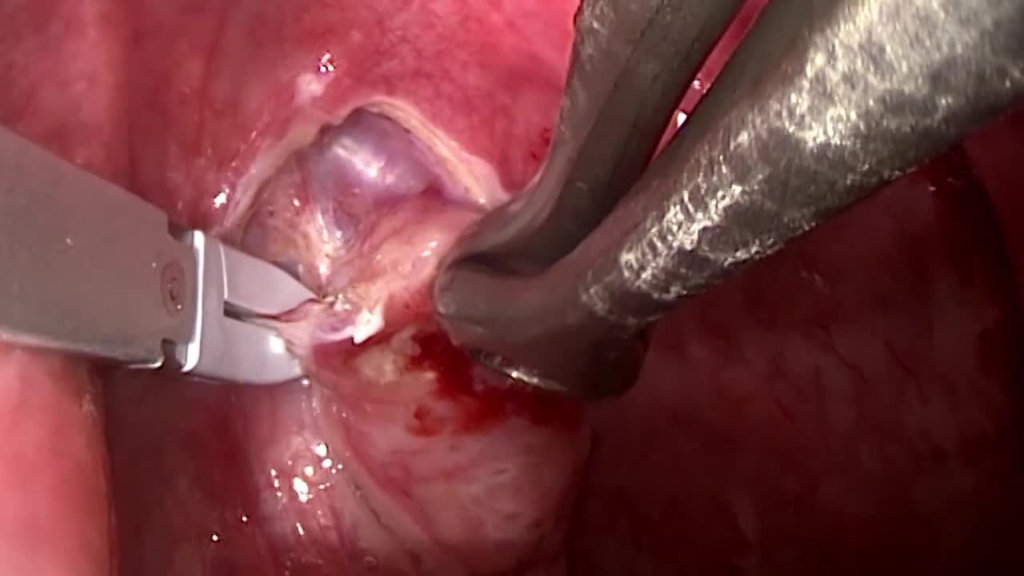
Procedural Video with Dr. Eng Ooi (5:40)
Procedural Video with Dr. Von Lücken and Dr. Falz (5:03)
Ordering information

Similar products


† Postoperative bleeding rate was 7.0% for BiZact™ patients and 22.4% for cold steel patients.
‡ Postoperative bleeding rate was 7.0% for BiZact™ patients and 17.3% for electrocautery patients.
§ Postoperative bleeding rate was 7.0% for BiZact™ patients and 15.6% for coblator patients.
◊ Low thermal damage has been shown in studies to result in less postoperative pain. The BiZact™ device has been shown to produce <1 mm thermal spread, but has not been directly evaluated for pain reduction
¶ Compared to cold steel, the BiZact devices reduces operative time.
# Compared to electrosurgery, the BiZact devices reduces operative time.
∆ 12 out of 12 surgeons and 13 out of 15 nurses surveyed agreed.
- Based on internal report RE00172883, Statistical analysis of 10 publications for BiZact™ tonsillectomy published between 2018-2024, and 4 publications for cold steel tonsillectomy published between 2021-2024. Data on file.
- Based on internal report RE00172883, Statistical analysis of 10 publications for BiZact™ tonsillectomy published between 2018-2024, and 4 publications for cold steel tonsillectomy published between 2018-2023. Data on file.
- Based on internal report RE00172883, Statistical analysis of 10 publications for BiZact™ tonsillectomy published between 2018-2024, and 5 publications for cold steel tonsillectomy published between 2018-2021.
- Based on internal report RE00015788, BiZact™ thermal spread marketing.March 22, 2017.
- Manhein D, Raeder J. Comparison of BiZact™ low temperature dissecting device with bipolar diathermic scissors for tonsillectomy in adult patients. Austin J Surg. 2023; 10(2): id1300.
- Based on internal test report #RE00073873, Independent surgeon and nurse feedback collected during Medtronic-sponsored labs. January and February 2017.
- Based on internal test report #RE00077022, Porcine testing. Jan. 9–10, 2017.
- Krishnan G, Stepan L, Du C, Padhye V, Bassiouni A, Dharmawardana N, Ooi EH, Krishnan S. Tonsillectomy using the BiZact: A pilot study in 186 children and adults. Clin Otolaryngol. 2019;44(3):392-396. doi: 10.1111/coa.13273. Epub 2019 Feb 4. PMID: 30576062.
- Based on internal test report #RE00015788, Tissue testing. March 23, 2017.