The only sacral neuromodulation systems with long-term clinical results across indications: overactive bladder, non-obstructive urinary retention, and fecal incontinence1–4
Trusted choice
InterStim™ systems have been implanted in over 425,000 patients§, and evaluated in clinical studies during the last 30 years including long-term studies (5-year) on urinary incotinence, retention and faecal incontinence.1,3,4
 "InterStimX with mobile")
Sacral Neuromodulation - 30 years of innovation
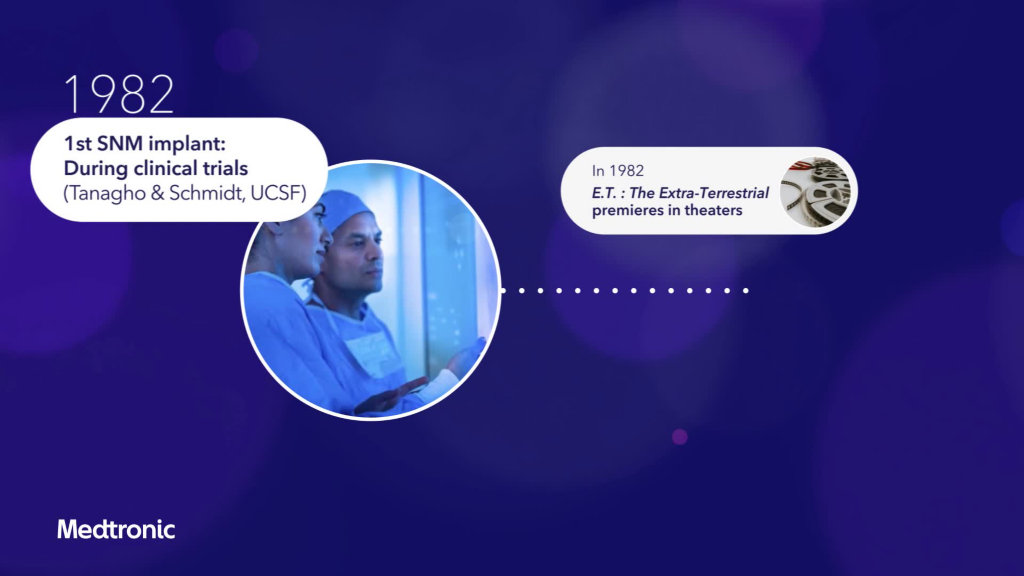
Discover our 30+ years of innovation in Sacral Neuromodulation


425,000+
patients implanted worldwide
30+
years of SNM experience
InterStim™ System
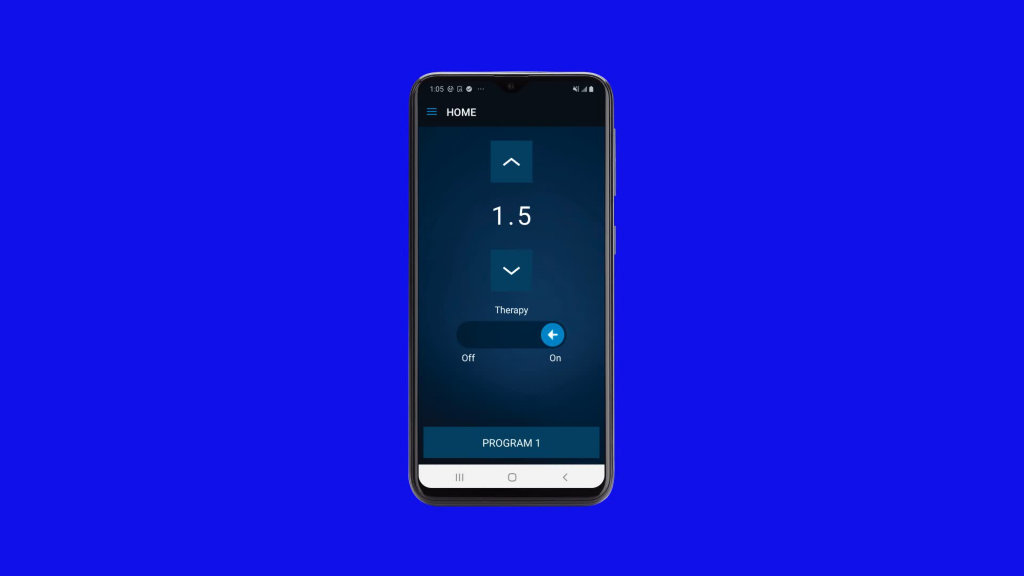
How the InterStim™ systems work
With the InterStim™ systems, the implanted neurostimulator and lead stimulate the sacral nerves that control normal bladder and bowel function. Evidence suggests that this may restore neural communication between the brain and bladder/bowel.5-7 Unlike oral medications that target the muscular component of bladder control, the InterStim™ systems offer symptom control through direct modulation of nerve activity.5-7
One key advantage of this therapy is that it can be tested for potential success prior to implantation. The evaluation provides an opportunity to find out whether adequate symptom reduction is achieved. Complications can occur with the evaluation, including tissue damage, infection, and technical problems with the device. Patients should be instructed on operating the programmer and given precautions related to the evaluation.
Sacral Neuromodulation delivers mild stimulation to the sacral nerves innervating the organs of the pelvis, located at the sacrum. These sacral nerves control the urinary and digestive systems, as well as the pelvic floor muscles.
For bladder control
- Not all patients with bladder control problems benefit from standard medical therapy2,8
- Standard pharmacological therapy for OAB consists of anticholinergics or β3- adrenoreceptor agonists, which are not effective for everyone9
- More than 70% of patients stop taking OAB medications within six months due to side effects and/or lack of efficacy6,10
- Guidelines counsel on the risk of dementia and cognitive impairment that can be associated with the use of antimuscarinic medication8
- The InterStim™ II system can provide effective bladder control for patients who do not find relief from initial treatments1-3. The InterStim X™ and the InterStim™ Micro system are designed to deliver the same results
For bowel control
- Not all patients with bowel control problems benefit from medication, diet modification, and exercise11
- The InterStim™ systems offer a minimally invasive option that can restore bowel function†
- The InterStim™ II system is effective, safe, and may offer patients improved quality of life2 . InterStim X™ and the InterStim™ Micro system are designed to deliver the same results
30 years of testimonials


MRI Eligibility
Get the details on specific MRI compatibilty for neuromodulation therapies.
Academy 2.0
Get access to continuous education anywhere, anytime with Pelvic Health Medtronic Academy. Aligning learning with your busy schedules and making education easily accessible.
Follow us on LinkedIn
Follow Medtronic Pelvic Health on LinkedIn for the latest updates on our products and therapies.

The most common adverse events experienced during clinical studies of patients with SNM included pain at implant sites, new pain, lead migration, infection, technical or device problems, adverse change in bowel or voiding function, and undesirable stimulation or sensations. Any of these may require additional surgery or cause the return of symptoms.
Powerful. Personalized. Proven.
-
 InterStim™ basic evaluation system
The InterStim™ basic evaluation system is an external neurostimulator that tests a patient’s eligibility for long-term sacral neuromodulation.
-
 InterStim™ smart programmerThe InterStim™ smart programmer is used by patients to program therapy delivered by the InterStim™ sacral neuromodulation system.
The material on this website should not be considered the exclusive source of information, it does not replace or supersede information contained in the device manual(s).
Please note that the intended use of a product may vary depending on geographical approvals.
See the device manual(s) for detailed information regarding the intended use, the implant procedure, indications, contraindications, warnings, precautions, and potential adverse events.
For a MRI compatible device(s), consult the MRI information in the device manual(s) before performing a MRI.
If a device is eligible for eIFU usage, instructions for use can be found at Medtronic’s website manuals.medtronic.com.
Manuals can be viewed using a current version of any major internet browser. For best results, use Adobe Acrobat® Reader with the browser.
Medtronic products placed on European markets comply with EU and UK legislation (if applicable) on medical devices. For any further information, contact your local Medtronic representative.
§ InterStimTM Implant Numbers, Data File Version: Aug FY25.
† Restored bladder function defined as ≥50% reduction in dysfunctional voiding symptoms from baseline. Restored bowel function is defined as ≥50% reduction in chronic fecal incontinence episodes.
- Siegel S, Noblett K, Mangel J, et al. Five-year follow-up results of a prospective, multicenter study of patients with overactive bladder treated with sacral neuromodulation. J Urol. 2018;199(1):229–236.
- Medtronic InterStim Clinical Summary 2018.
- Hull T, Giese C, Wexner SD, et al. Long-term durability of sacral nerve stimulation therapy for chronic fecal incontinence. Dis Colon Rectum. 2013;56(2):234–245.
- van Kerrebroeck PE, van Voskuilen AC, Heesakkers JP et al. Results of sacral neuromodulation therapy for urinary voiding dysfunction: outcomes of a prospective, worldwide clinical study. J Urol. 2007 Nov;178(5):2029-34.
- Leng WW, Chancellor MB. How sacral nerve stimulation neuromodulation works. Urol Clin North Am. 2005;32:11–18.
- Janssen PTJ, Komen N, Melenhorst J, et al. Sacral neuromodulation for fecal incontinence: a review of the central mechanisms of action. J Clin Gastroenterol. 2017;51(8):669–676.
- Patton V, Wiklendt L, Arkwright JW, Lubowski DZ, Dinning PG. The effect of sacral nerve stimulation on distal colonic motility in patients with fecal incontinence. Br J Surg. 2013;100:959–968.
- Yeaw J, Benner J, Walt JG, et al. Comparing adherence and persistence across 6 chronic medication classes. J Manag Care Pharm. 2009;15(9):724-736.
- Cameron AP et al. The AUAU/SUFU Guideline on the Diagnosis and Treatment of Idiopathic Overactive Bladder J Urol https://doi.org/10.1097/JU.0000000000003985
- Yu, Y. F., Nichol, M. B., Yu, A. P. & Ahn, J. Persistence and Adherence of Medications for Chronic Overactive Bladder/Urinary Incontinence in the California Medicaid Program. Value Heal. 8, 495–505 (2005).
- Assmann SL et al. Guideline for the diagnosis and treatment of Faecal Incontinence—A UEG/ESCP/ESNM/ESPCG collaboration United European Gastroenterol J. 2022;1–36.