Reflections on the evolution of robotic surgery
by Dr. James Porter Chief Medical Officer, Robotics and Digital Technologies, Medtronic

I began performing robotic-assisted surgery in 2002. For me, it was a natural extension of my early experience with laparoscopic surgery. In those days, laparoscopy was done with straight instruments and a single two-dimensional scope. It was doable, but incredibly challenging.
Even so, it was clear that laparoscopy brought real benefits for patients: faster recovery, less blood loss, and a quicker return to normal activity.1,2
Surgical robotics extends the benefits of minimally invasive surgery
Robotic surgery introduced a true 3D view that gave depth perception and allowed for greater precision.3 Wristed instruments enabled delicate tissue handling and suturing in tight spaces — especially important in my field, urology. Just as important, the robot allowed surgeons to sit comfortably rather than stand for long hours, reducing strain on the back, neck, and shoulders.3
That combination of improved visualization, dexterity, and ergonomics was transformative. For me, robotic surgery was simply a better way to do the procedures we did laparoscopically while still achieving the benefits of minimally invasive surgery for my patients.
Pioneering robotic procedures in urology
Throughout my journey in robotics, I was fortunate to learn from several remarkable mentors. Dr. Tom Ahlering at UC Irvine was an early guide. European colleagues such as Professor Richard Gaston in Bordeaux shared their expertise in advanced laparoscopy, and Dr. Manny Menon at Henry Ford Hospital — often called the father of robotic urology — was instrumental in shaping my approach. Each of them influenced how I think about surgical innovation.
In 2006, I performed the first robotic retroperitoneal partial nephrectomy. The challenge was to make a large robotic system work in a very small anatomical space — but the benefits were worth it. Later, I developed a robotic approach for retroperitoneal lymph-node dissection for testicular cancer.

“What impressed me most was how clinically grounded the program was. The Hugo™ RAS system was being developed with deep surgeon involvement from the start.”
Dr. James Porter
Chief Medical Officer, Robotics and Digital Technologies, Medtronic
Clinical involvement in the development of the Hugo™ robotic-assisted surgery (RAS) system
When I first heard about the Medtronic robotic surgery project in 2019, I was genuinely excited. For nearly two decades, one company had dominated the field. I welcomed the idea that another organization — especially one with Medtronic’s reputation, scale, and global reach — was stepping in to advance the technology.
What impressed me most was how clinically grounded the program was. The Hugo™ RAS system was being developed with deep surgeon involvement from the start. I saw that firsthand in early laboratory sessions in Chicago, where groups of surgeons from different specialties gathered to shape procedural workflows.
We discussed how to configure the Hugo™ RAS system for procedures such as radical prostatectomy, partial nephrectomy and other procedures. Each surgeon brought unique insights from their specialty, and together we helped design the setup guides and configurations. That collaboration ensured that the Hugo™ RAS system was built around real surgical needs, not abstract engineering goals.
Surgeons live with the realities of the operating room. We understand workflow, visibility, ergonomics, and safety. When engineering teams and clinical users work hand in hand, we get solutions that truly benefit patients. That partnership has been central to the development of the Hugo™ RAS system.

The Hugo™ RAS system is different
Two aspects of the Hugo™ RAS system stand out for me: its modular design and its open console.
The modular arm carts provide unmatched flexibility. Because each robotic arm can be positioned independently, we can tailor port placement and reach different regions of the abdomen more easily. This is particularly valuable in complex procedures that span deep in the abdomen or pelvis — cases that are difficult with a fixed-boom robot, but far more feasible with the modular setup.
The open console is another major innovation. Instead of leaning forward into an enclosed viewer, the surgeon sits upright, viewing a high-definition screen wearing 3D glasses. The open design keeps the surgeon visually and verbally connected with the team at the bedside. Communication flows naturally, creating a more collaborative environment in the OR. It’s a subtle, but powerful, change in how we work. In addition, the upright design allows for postural alignment, and may help reduce neck and back strain.
“Every engineer, scientist, and clinician I’ve interacted with at Medtronic shares the same mission: to bring the benefits of minimally invasive surgery to more patients, everywhere.”
Dr. James Porter
Chief Medical Officer, Robotics and Digital Technologies, Medtronic
A new role, same purpose
After nearly three decades in clinical practice, I transitioned in 2024 to become Medtronic’s Chief Medical Officer for Robotics and Digital Technologies. I started part-time to learn the role, and now I’m fully engaged in guiding our robotics and digital programs forward.
Moving from performing surgery full time to helping shape the technologies that define its future has been both humbling and inspiring. I’ve gained new appreciation for how companies think about solving clinical problems — how they balance innovation, safety, and access on a global scale.
What has stood out most is the quality and dedication of the people I work with. Every engineer, scientist, and clinician I’ve interacted with at Medtronic shares the same mission: to bring the benefits of minimally invasive surgery to more patients, everywhere.
That has been my goal since my first laparoscopic case more than 30 years ago — to reduce suffering and speed up recovery through better technology. It’s what drove me to adopt robotics early on, and it’s what continues to drive me today as part of Medtronic.
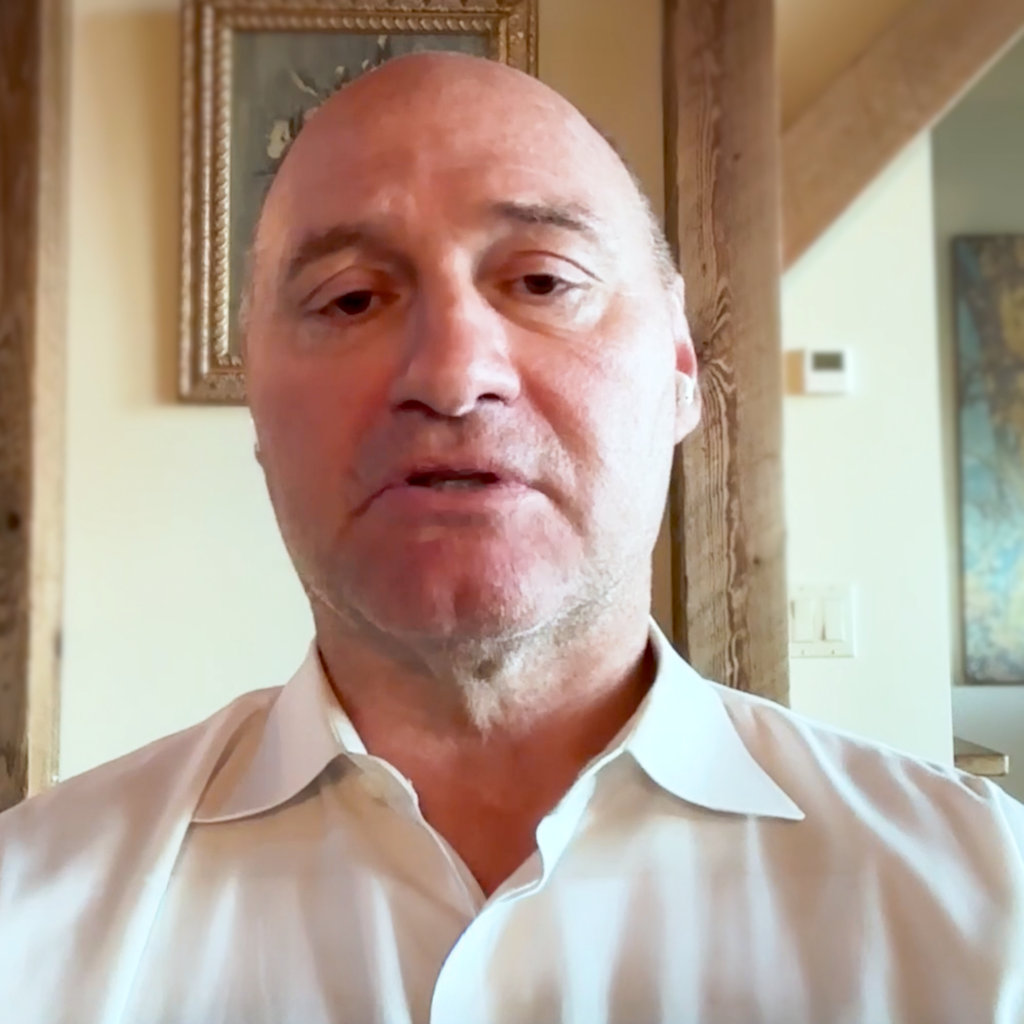
Dr. James Porter: How Robotic Surgery Evolves Through Partnership
(0:00:37)

Dr. James Porter: Can You Have Robotic Technology and Easily Connect With Your OR Team?
(0:00:38)

Dr. James Porter: How the Status Quo in Robotic Surgery is Shifting
(0:00:42)
Stay updated on the Hugo™ RAS system.
Sign up now to continue learning from the experts who are building best practices in
RAS training and program development.