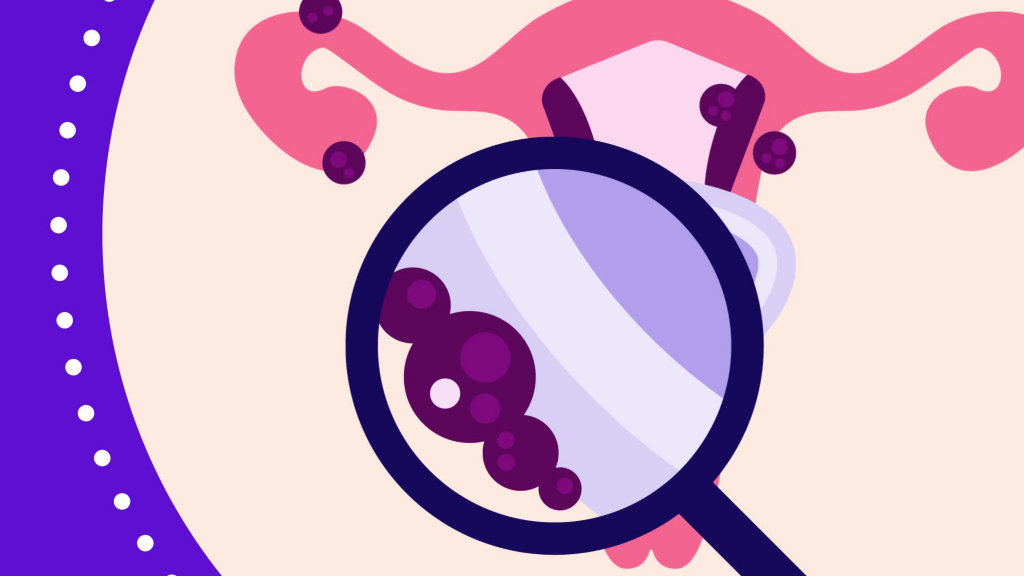
What are the symptoms of Endometriosis?

The symptoms of endometriosis can vary. Some women are severely affected, while others might not experience any noticeable symptoms.

The main symptoms of endometriosis are:3

  • Pain in lower abdomen or back (pelvic pain) – which is usually worse during period
  • Period pain that stops women doing their normal activities
  • Pain when opening bowels, particularly during periods
  • Pain with urination
  • Feeling sick, constipation, diarrhea, or blood in urine or stools during period
  • Feeling unusually fatigued
  • Difficulty getting pregnant2

What happens next?

You will be asked about your symptoms and may undergo a physical examination of the lower abdomen.

Further tests may include:

  • Ultrasound scan
  • MRI (Magnetic Resonance Imaging) scan
  • Diagnostic laparoscopy - only necessary for selected cases where the results of the imaging scans are not sufficient

How is Endometriosis treated?

Endometriosis can be treated in the following way:4

  • Painkillers – such as ibuprofen and paracetamol
  • Hormone medicines and contraceptives – including the combined pill, the contraceptive patch, an intrauterine system (IUS), and medicines called gonadotrophinreleasing hormone (GnRH) analogues.
  • Surgery to cut away or destroy patches of endometriosis tissue.

Videos

Understanding Endometriosis

How does robotic-assisted surgery work

Watch Carla’s Story
 

Watch Nuria’s Story
 

Learn from doctors about Endometriosis

Don't neglect your own well being

If you're experiencing any of these symptoms make time to consult your doctor or healthcare professional.