Ovarian Cancer is more common in patients older than 50 years.2

70% of cases are diagnosed at stage III or IV and are therefore associated with a poor prognosis.2


What are the symptoms of Ovarian Cancer?

When ovarian cancer first develops, it might not cause any noticeable symptoms. Signs and symptoms of ovarian cancer may include:​1

  • Fatigue​
  • Weight loss​
  • Quickly feeling full when eating​
  • Abdominal symptoms: bloating, swelling, changes in bowel habits, such as constipation, discomfort in the pelvic area​
  • Back pain​
  • A frequent need to urinate

What happens next?3

If there is reason to suspect you have ovarian cancer based on your symptoms and/or physical exam, your doctor will order some tests to check further and refer you to a gynecological oncologist who is specialized on cancer. ​

The gynecological oncologist will then perform:​

  • A pelvic examination​
  • Imaging scans: Ultrasound (US), Magnetic Resonance Imaging (MRI) or a Computer Tomography (CT) scan​
  • A blood test​
  • Diagnostic laparoscopy​

With the help of these examinations, the doctor will be able to identify  the cancer stage which will determine the treatment. 

How is Ovarian Cancer treated?

Treatment for Ovarian Cancer will include surgery and/or chemotherapy and/or Immunotherapy.​1

Surgery

The stage of the cancer will determine which organs the surgeon will remove and how the surgery will be performed, either through an abdominal cut (laparotomy) for advanced stages or through small keywhole cuts (laparoscopy) for early cancer stages.​2

Chemotherapy

Treating cancer by using chemical substances including anti-cancer drugs.​

Immunotherapy

Modern therapies based on complex genetic testing. The therapy is always individual.

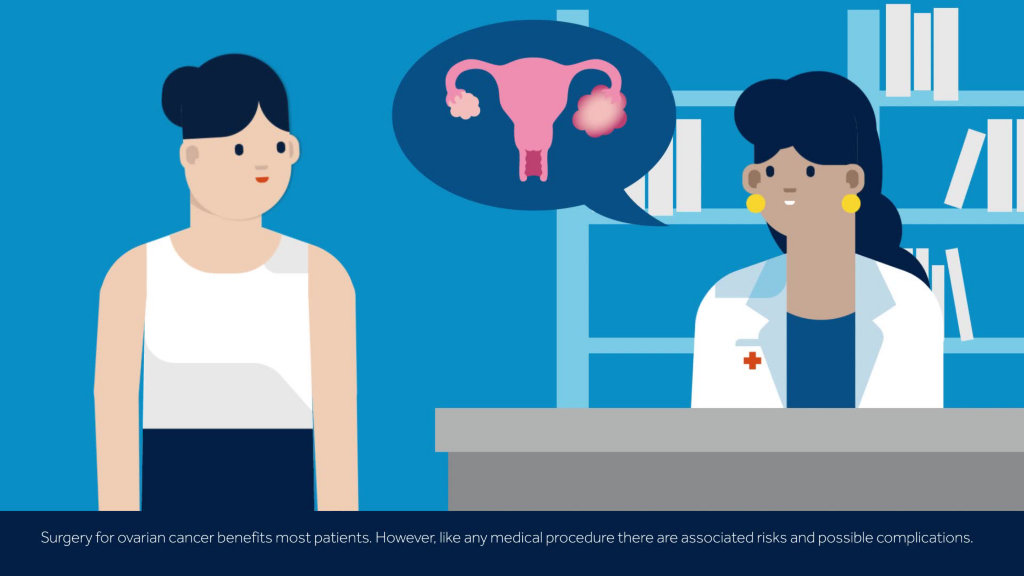
Ovarian Cancer Surgery

General Risks
 

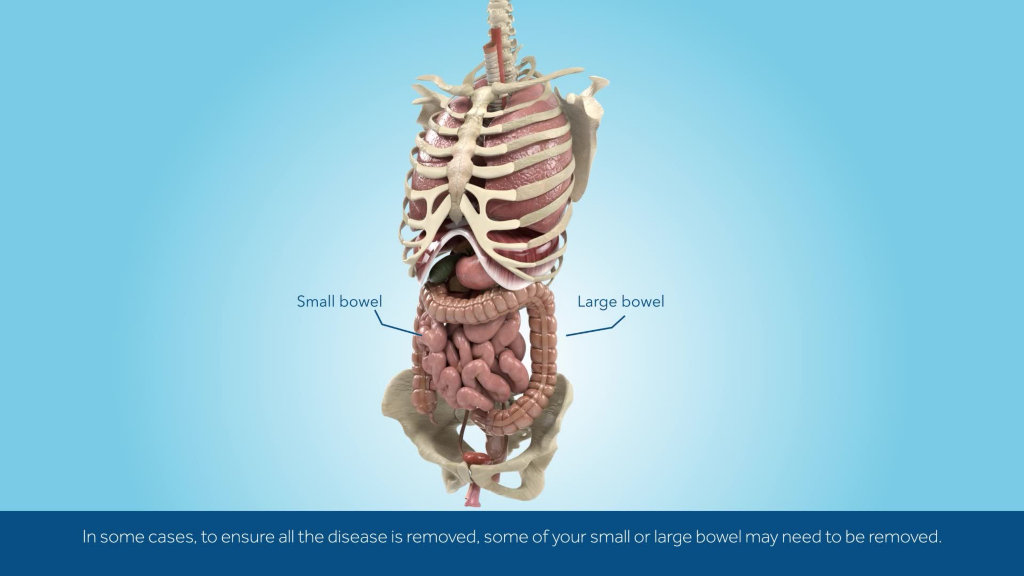
Removal of the large or small bowel

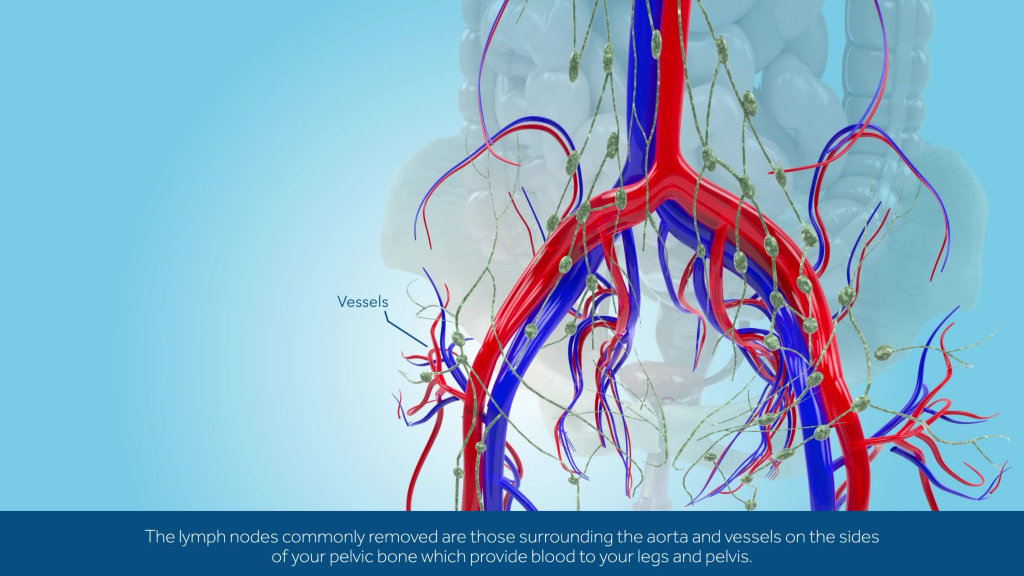
Removal of the lymph nodes
 

Looking for a community, support or more information on Ovarian Cancer?

Then visit the Ovacome website.

Don't neglect your own well being

If you're experiencing any of these symptoms make time to consult your doctor or healthcare professional.